
This is aseptic packaging at work. It's a combination of sterilization science and precise material engineering that lets manufacturers ship shelf-stable food without refrigeration or heavy preservatives.
This article breaks down how aseptic processing works, the packaging formats brands use, real product examples, and what to look for when choosing an aseptic packaging partner.
Key Takeaways
- Food and packaging are sterilized separately, then filled in a sterile chamber—no post-fill retort required
- Properly filled aseptic beverages can deliver 12+ months of ambient shelf life
- Cartons, pouches, bottles, and bag-in-box cover most aseptic liquid and semi-liquid applications
- WVTR/OTR barrier specs determine how well the pack protects oxygen- and moisture-sensitive products
- The right packaging partner cuts handoffs, shortens lead times, and lowers barrier-performance risk
What Is Aseptic Processing?
Aseptic processing is the science of sterilizing foods and liquids independently, before it ever touches the package. Under FDA regulation 21 CFR Part 113, this means destroying microorganisms of public-health concern and any organisms capable of reproducing during normal, nonrefrigerated storage.
The Three-Step Principle
Aseptic processing follows a consistent sequence:
- Sterilize the product - Commercially sterilize the food or liquid, then cool it rapidly
- Sterilize the packaging - Treat containers, closures, and equipment using heat, hydrogen peroxide, or UV/radiation methods
- Fill and seal in a sterile chamber - Fill the sterilized product into sterilized packaging in a microorganism-free environment

Each sterilization method for packaging is chosen to preserve barrier integrity. Heat can warp certain films; hydrogen peroxide and UV treatments are often gentler on multilayer structures while still achieving sterility.
UHT Processing in Aseptic Systems
Ultra-high-temperature (UHT) processing typically heats product to around 135–140°C (275–284°F) for a few seconds, then cools it rapidly. According to the Institute of Food Technologists, this rapid cycle kills microorganisms while limiting the flavor and nutrient damage that comes from prolonged heat exposure.
That said, UHT isn't flawless. A peer-reviewed review in Comprehensive Reviews in Food Science and Food Safety notes UHT can still cause browning, sedimentation, or cooked flavor in some products. Age gelation remains a known shelf-life limiter for UHT milk specifically.
Aseptic vs. retort/canning:
- Retort/canning: Cooks food inside the sealed container, often for extended periods
- Aseptic: Cooks the food separately, then fills it cold into a pre-sterilized package
- Payoff: Less thermal damage to texture and flavor than traditional canning
What Is Aseptic Packaging and How Does It Work?
Aseptic packaging is the sterile container system that holds aseptically processed food at ambient temperature. Each package is a multi-layer barrier system built to keep product sterile without refrigeration.
The Layered Material Science
In a typical carton structure, each layer has a job:
- Paperboard — rigidity and structural strength
- Polyethylene layers — moisture barrier in and out
- Foil or metalized coating — light and oxygen block
- EVOH or specialty barrier layers — extra oxygen control in flexible formats

According to Tetra Pak, roughly 70% of a standard aseptic carton is paperboard by composition, with the remaining layers doing the barrier work.
Why Multi-Layer Lamination Matters
Multi-layer lamination is engineered to hit specific water vapor transmission rate (WVTR) and oxygen transmission rate (OTR) targets. These numbers determine how long a product stays shelf-stable before oxygen or moisture compromises it.
Those targets vary by product. A juice pouch and a sauce pouch rarely need the same protection profile, so barrier performance should be specified per application rather than pulled from a generic datasheet.
Formosa, the manufacturing network behind Ken Faulhaber Packaging Solutions, runs four lamination machines, including a patented five-layer high-speed lamination unit, so WVTR and OTR can be matched to the fill and shelf-life requirements.
Sterile Fill-Seal Completes the System
Sterilizing the food and the package is only half the job. If the fill-seal environment isn't sterile, contamination can enter again right before the seal closes.
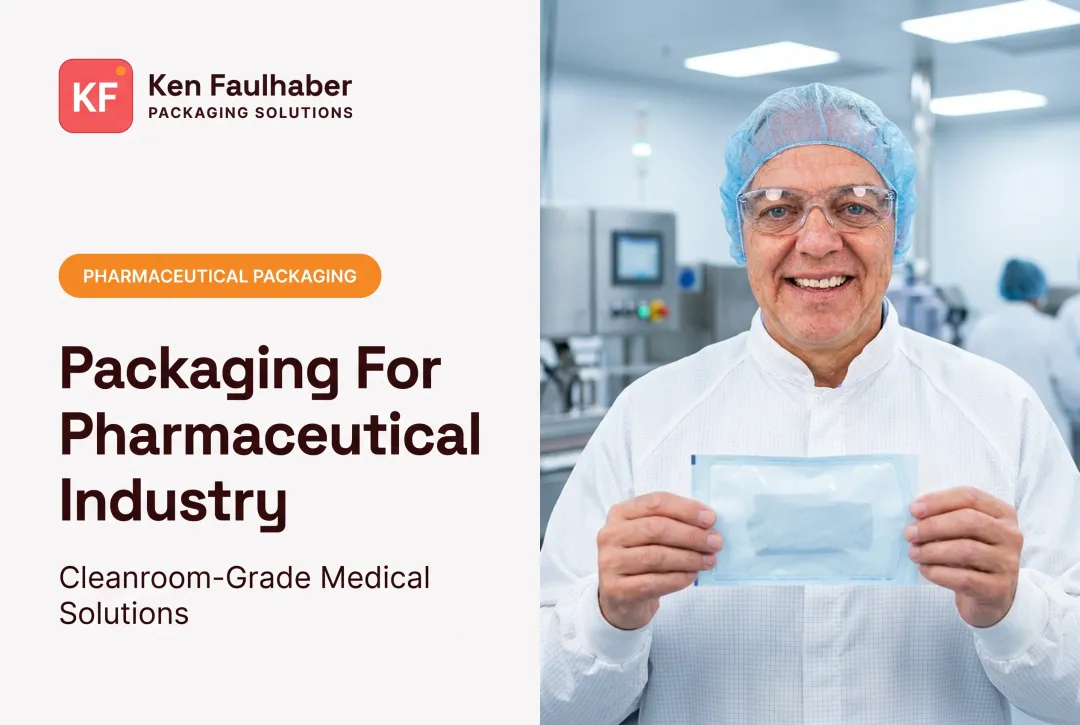
This is where cleanroom production comes in. Formosa's Class 10,000 cleanroom capability supports aseptic and pharmaceutical-grade packaging applications, alongside ISO 22000:2018, FSSC 22000, and HACCP-compliant protocols.
For flexible film and pouch formats that need aseptic-style shelf stability, Ken Faulhaber Packaging Solutions links food and beverage brands to form-fill-seal options built around those same barrier and sterile-fill requirements.
Types of Aseptic Packaging
Not every product needs the same container. Here's how the major formats break down.
Aseptic Cartons
Tetra Pak's aseptic carton lineup includes named systems such as:
- Tetra Brik Aseptic for milk and juice
- Tetra Fino Aseptic for food
- Tetra Stelo Aseptic for milk, juice, and plant-based beverages
These are shelf-stable by design, distinct from chilled gable-top cartons you'd find in a refrigerated dairy case.
Aseptic Pouches and Stand-Up Bags
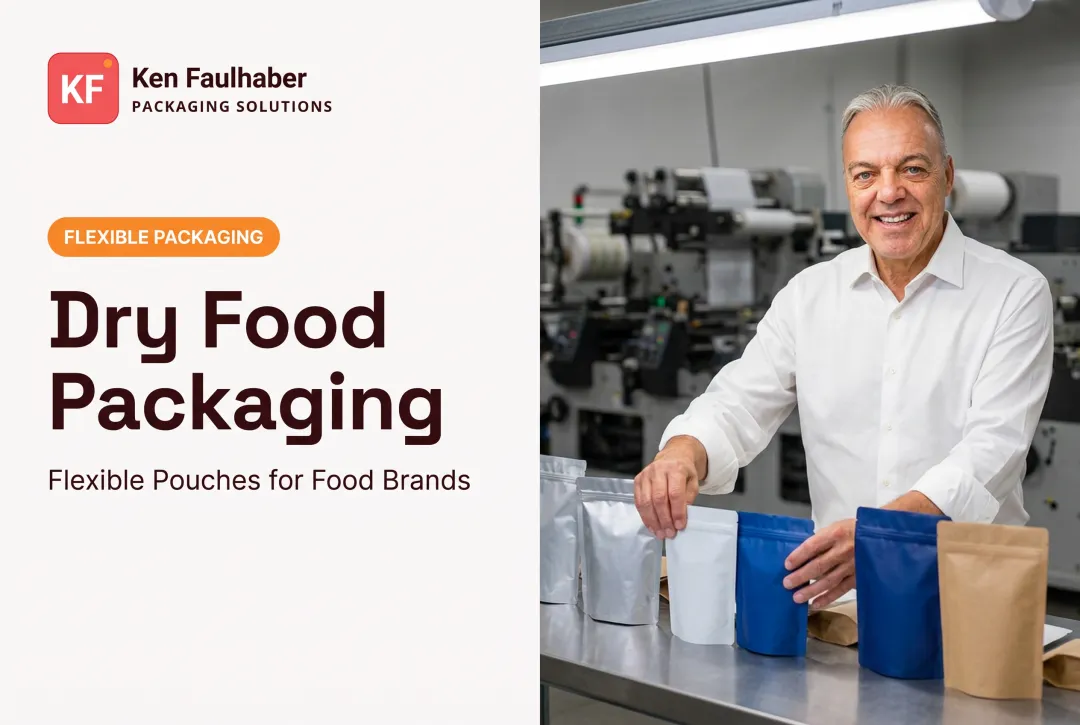
Flexible pouches handle sauces, purees, and ready-to-eat meals well because they're lightweight and adapt to irregular fill volumes. SIG, for example, describes its aseptic spouted pouches as supporting both low- and high-acid formulations under ambient logistics.
Formosa similarly supplies aseptic and retort pouches for these applications, along with spout pouches, stand-up pouches, and gusset bags for broader flexible packaging needs.
Aseptic Bottles and Plastic Containers
Bottles suit juices, dairy alternatives, and nutraceutical beverages where shelf appeal matters. Tetra Pak's Tetra Evero, launched in 2017, is a one-liter rounded aseptic bottle with single-step opening, according to Food Dive.
Bag-in-Box and Bulk Systems
For foodservice and large-volume ingredients, bag-in-box aseptic systems handle bulk produce, concentrates, and closed-loop dispensing without refrigerated storage. They favor high throughput and lower packaging weight over retail shelf presence.
Each format trades off differently between barrier performance, shelf appeal, and how well it runs on existing production lines. A brand switching from cans to pouches, for instance, needs to confirm their filling equipment can actually handle the new format.

Real-World Examples of Aseptic Packaging
You've probably bought aseptic-packaged food this week without thinking twice. Common categories include:
- Milk and plant-based milk alternatives
- Juice and ready-to-drink beverages
- Soup and broth
- Liquid eggs
- Wine and ready-to-drink cocktails
- Tofu and shelf-stable soy products
- Baby food, including pouch-based meals
- Nutraceutical and supplement beverages
Visual identifiers stay consistent across brands: a smooth, glossy exterior, a metallic-look inner lining, and that familiar carton silhouette popularized by Tetra Pak-style packaging.
Brand claims go further on the shelf. Mori-Nu markets its aseptic tofu packaging as blocking light, air, and bacteria while preserving isoflavones and flavor. Tetra Pak also offers aseptic formats sized specifically for food supplements and medical-grade nutrition products.
Key Benefits of Aseptic Packaging for Food Brands
Why are more brands moving this direction?
- Extended shelf life without refrigeration. Aseptic beverages can hold a 12-month or longer ambient shelf life, according to Dairy Foods, so brands can swap refrigerated transport for lower-cost ambient trucking and storage.
- Preservative-free appeal. Sterilization does the preservation work, letting brands market clean-label formulations.
- Nutrient and flavor retention. Rapid UHT heat-cool cycles limit the prolonged heat exposure that damages flavor and nutrients in traditional canning, though results still vary by product.
- Lightweight materials. Cartons and pouches weigh less than glass or metal cans; Tetra Pak notes paperboard makes up roughly 70% of a typical carton, which keeps shipping weight down versus rigid packs.

Choosing the Right Aseptic Packaging Partner
Not all barrier films are interchangeable. A pouch built for shelf-stable juice won't necessarily hold up for a high-fat sauce or a low-acid puree. Moisture and oxygen barrier specs need to match the specific shelf-life target, not a generic "aseptic-grade" label.
What to look for in a partner:
- Application-specific WVTR and OTR barrier recommendations, not one-size-fits-all film
- Integrated lamination, printing, bag-making, and form-fill-seal under one roof to cut handoffs
- Food-safety certifications like ISO 22000:2018, FSSC 22000, and HACCP compliance
- Cleanroom production capability for aseptic-grade projects
- Fast, responsive project turnaround
Ken Faulhaber Packaging Solutions is an independent representative and single point of contact to Formosa's integrated manufacturing—including patented five-layer high-speed lamination and Class 10,000 cleanroom production.
Project inquiries typically get a response the same day or by the next business day, which matters when you need to hit a production deadline.
Frequently Asked Questions
What is the process of aseptic processing?
Aseptic processing sterilizes food and packaging separately using heat, hydrogen peroxide, or UV methods, then fills and seals them inside a sterile chamber free of microorganisms.
What is aseptic packaging?
Aseptic packaging is the sterile container system—carton, pouch, bottle, or bag-in-box—that holds sterilized food shelf-stable at room temperature without refrigeration or heavy preservatives.
What are the different types of aseptic packaging?
The main formats are cartons (such as Tetra Brik), flexible pouches, bottles, and bag-in-box systems. Each format trades off barrier performance, shelf appeal, and production-line compatibility differently.
What are examples of aseptic packaging?
Common examples include milk cartons, juice boxes, soup and broth pouches, liquid egg containers, boxed wine, tofu packs, and baby food pouches.
How long can aseptically packaged food be stored without refrigeration?
A properly filled aseptic beverage can often last 12 months or more unrefrigerated, though shelf life varies by product and storage temperature. Once opened, "refrigerate after opening" labels typically apply.
Is aseptic packaging environmentally friendly?
Aseptic cartons use lightweight materials and some brands have introduced aluminum-free, paper-based barrier structures. Multilayer recycling remains infrastructure-dependent and isn't universally available yet.